BLACK ANT × PGIAR · UNIVERSITY OF KELANIYA

DambullaHERITAGE SUMMER CAMP

2027

A seven-day archaeology field school and heritage summer camp in Dambulla, Sri Lanka, August 2027. Explore Sigiriya, Dambulla Cave Temple and the Ibbankatuwa megalithic burial site with scholars from PGIAR, University of Kelaniya. Just 30 places.

Reserve your placeSee the itinerary

Archaeology field school in Sri Lanka’s Cultural Triangle

The Dambulla Heritage Summer Camp 2027 is a seven-day residential archaeology summer school for international students, academics and heritage professionals. Organised by Black Ant (Pvt) Ltd with the Postgraduate Institute of Archaeology (PGIAR), University of Kelaniya, it moves from prehistoric rock shelters and megalithic burials to cave temples, ancient cities and the villages that keep heritage alive.

Participants receive a Certificate of Completion endorsed by the partner institutions.

7
days, immersive and residential
30
participants at most
5+
heritage landscapes
3
participant groups: students, professionals, local students
Dambulla Cave TempleSigiriyaIbbankatuwa Megalithic CemeteryPothana Rock ShelterKaludiya PokunaKandalamaKalawewa
PGIAR, Postgraduate Institute of Archaeology, University of Kelaniya

Taught by PGIAR, University of Kelaniya

The Postgraduate Institute of Archaeology (PGIAR) is a leading institute for archaeology and heritage management in Sri Lanka. The camp’s academic programme is led by its scholars and specialists, so you learn heritage from the people who study it.

Institutional authority

An institute of the University of Kelaniya, dedicated to archaeology and heritage management.

A respected lecture panel

Senior academics and specialists, led by Senior Prof. Jagath Weerasinghe, covering heritage management, protohistoric archaeology, GIS, Buddhist art conservation and scientific archaeology.

Expert-led field access

Interpretation by specialists at protected sites such as Ibbankatuwa, Dambulla and Sigiriya.

Certificate with weight

A Certificate of Completion supported by the academic partnership with PGIAR.

LANDSCAPE

Where stone remembers

Granite rock, painted caves and ancient cities waiting to be read.

Heritage sites you will visit: Dambulla, Sigiriya & Ibbankatuwa

Seven landscapes, from prehistoric shelters to royal reservoirs, each with its own story.

Dambulla Cave Temple01Cave Temple

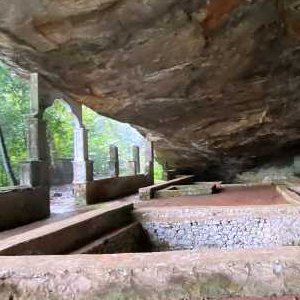
Dambulla Cave Temple

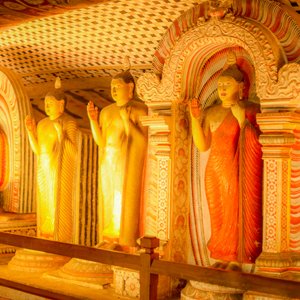
A monastery in a great granite outcrop, used for over two thousand years. Five main caves hold more than 150 Buddha images and painted ceilings, and the site is a UNESCO World Heritage Site.

Look out for: painted caves, Buddhist art, bodhi pooja
Sigiriya02Rock Fortress

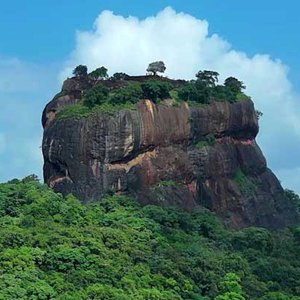
Sigiriya

The 5th-century rock fortress of King Kashyapa, with water gardens, the Mirror Wall and famous frescoes. We read it as a whole ancient urban settlement, not just a rock. UNESCO World Heritage Site.

Look out for: city layout, gardens, rock-top palace
Ibbankatuwa Megalithic Cemetery03Megalithic Cemetery

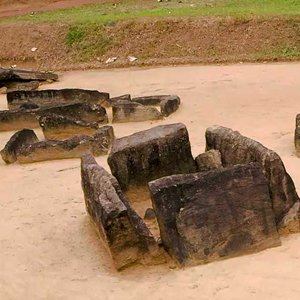
Ibbankatuwa Megalithic Cemetery

Sri Lanka’s largest known megalithic burial site, about five kilometres from Dambulla town and dated to around 600 BC. Stone cist graves and urn burials show how Early Iron Age communities honoured their dead. PGIAR took part in its excavations.

Look out for: burial chambers, grave goods, evidence and debate
Pothana Rock Shelter04Rock Shelter

Pothana Rock Shelter

A natural rock shelter in the Dambulla region. Sites like this show how early communities used the landscape for shelter, and what they left behind for archaeologists to read.

Look out for: shelter layout, living surfaces, tools
Kaludiya Pokuna05Forest Heritage Site

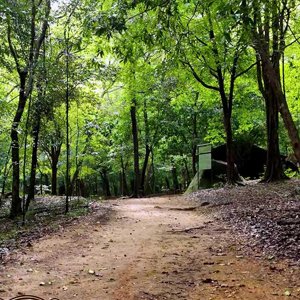
Kaludiya Pokuna

A forest heritage site we walk anticlockwise, from prehistory to history, finishing with a picnic lunch in the forest. A slow way to learn how to read an archaeological landscape.

Look out for: forest trails, ruins, ancient ponds
Kandalama06Ancient Reservoir

Kandalama

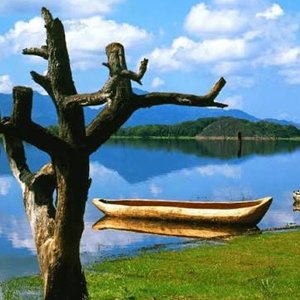
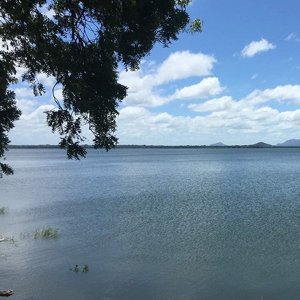
A landscape stop on the Kandalama dam. We look at how water, forest and rock shaped where people settled across the Dambulla region.

Look out for: reservoir views, landscape interpretation
Kalawewa07Ancient Reservoir

Kalawewa

One of Sri Lanka’s great ancient reservoirs, built under King Dhatusena in the 5th century as part of the island’s hydraulic civilisation. It shows the engineering that fed the ancient kingdoms.

Look out for: bund, irrigation heritage
Dambulla Host Village08Culinary Heritage

Dambulla Host Village

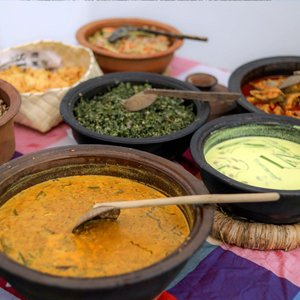
Home gardens, rice fields and craft workshops where heritage is lived, not displayed. You meet the village doctor, drummer, blacksmith and more, and join a ritual or dance session.

Look out for: community lunch, crafts, music, oral tradition
JOURNEY

Walk with scholars

Seven days in the field with archaeologists, conservators and historians.

Organised by Black Ant with PGIAR, University of Kelaniya

Two organisations, one programme: field-based experience design and academic authority.

Black Ant (Pvt) Ltd logo

Black Ant (Pvt) Ltd

A Sri Lanka-based heritage, culture and experiential education enterprise. Black Ant designs and runs immersive programmes that take learners out of the classroom and into living heritage.

  • Programme organiser and host
  • Residential logistics, stays and transport
  • Community and village partnerships
PGIAR, Postgraduate Institute of Archaeology, University of Kelaniya logo

Postgraduate Institute of Archaeology (PGIAR)

A nationally and internationally respected postgraduate institute of the University of Kelaniya, dedicated to archaeological research, training and heritage conservation in Sri Lanka.

  • Academic faculty: archaeologists, conservation scientists and historians
  • Curriculum oversight and quality assurance
  • Institutional access to archaeological sites
  • Certificate endorsement

Meet the academic team: archaeology & heritage lecture panel

Resource persons and specialists who lead lectures, field sessions and practical workshops across the camp.

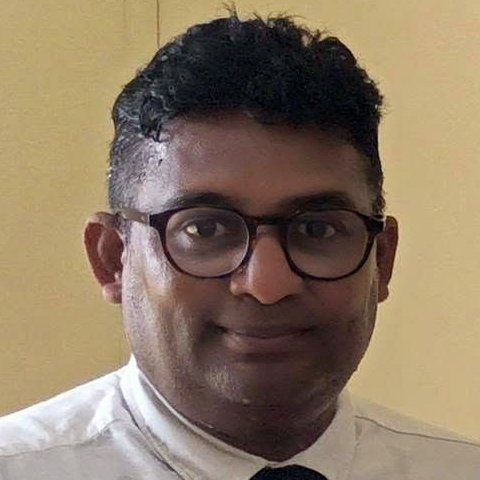
Academic leadership & heritage management

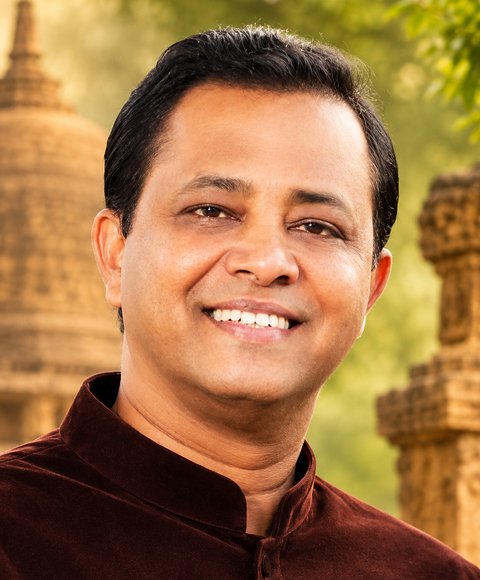
Senior Prof. Jagath Weerasinghe

Senior Prof. Jagath Weerasinghe

Senior AcademicHeritage philosophy and management

Guides participants through the philosophy of heritage and how archaeological and cultural sites are valued, protected and managed.

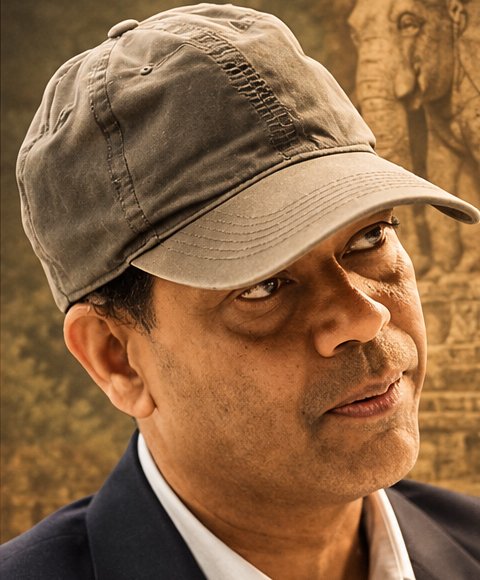
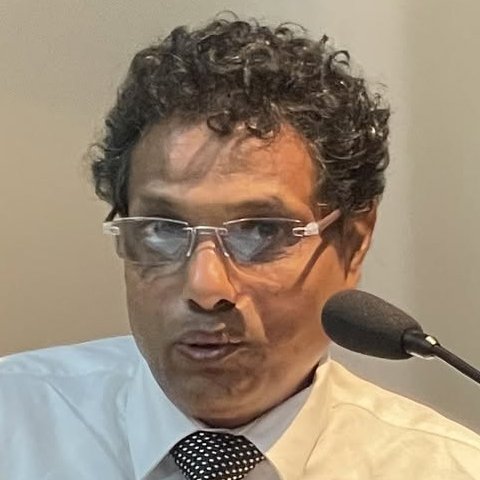
Dr. Dananjaya Padmapani Gamalath

Prof. Dananjaya Padmapani Gamalath

Academic SpecialistAncient architecture and heritage management

Leads on-site sessions on reading ancient architecture and on how built heritage is managed and conserved.

Archaeology & ancient settlements

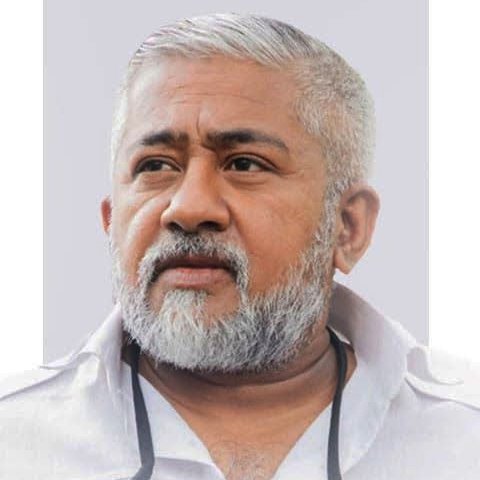
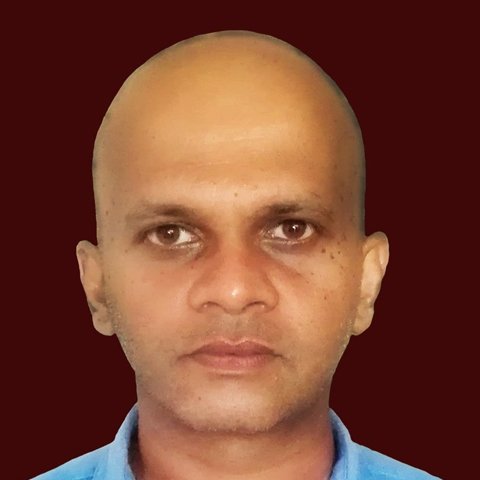
Dr. Ranjith Bandara Dissanayake

Dr. Ranjith Bandara Dissanayake

Senior AcademicProtohistoric and mortuary archaeology

Introduces protohistoric archaeology and the study of burial traditions, helping participants read evidence from early settlements and cemeteries.

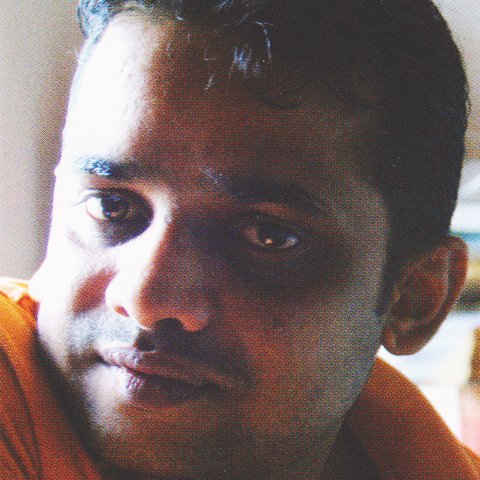
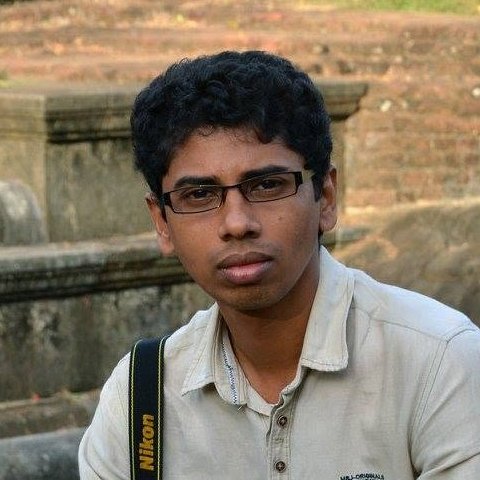
Prof. Mangala Katugampola

Prof. Mangala Katugampola

Senior AcademicSpatial archaeology and GIS

Shows how ancient settlements and landscapes are mapped and analysed using spatial archaeology and GIS.

Art history & cultural interpretation

Prasanna Ranabahu

Prasanna Ranabahu

Academic SpecialistBuddhist art and mural conservation

Explores Buddhist art, painted murals and the conservation of fragile heritage, relevant to the Dambulla painted caves.

Dr. Sudheera Jayaweera

Dr. Sudheera Jayaweera

Academic SpecialistSociology and collective memory

Explores how communities remember and pass on heritage, linking archaeological sites to living traditions and collective memory.

Scientific archaeology & ancient technology

Dr. Arjuna Thantilage

Dr. Arjuna Thantilage

Senior Academic & Laboratory SpecialistArchaeometallurgy and scientific archaeology

Introduces scientific archaeology and the study of ancient metal technology, from field finds to laboratory analysis.

Indika Vithanage

Indika Vithanage

Scientific AssistantArchaeological material and inscription studies

Supports hands-on work with archaeological materials and the reading of ancient inscriptions.

Practical fieldwork & documentation

Jayampath Senanayake

Jayampath Senanayake

Scientific AssistantField documentation and mapping

Teaches practical field documentation and mapping: how archaeologists record what they find.

Shantha Karunarathne

Shantha Karunarathne

Resource PersonPractical fieldwork and archaeological documentation

Supports the practical fieldwork and archaeological documentation sessions during the camp.

Environment, wildlife & resource team

Mr. Pubudu Weerarathne

Mr. Pubudu Weerarathne

Environmental & Wildlife SpecialistEnvironment and natural resources management

Brings more than twenty years of experience in the environment and natural resources management sector, adding an environmental and wildlife perspective to the heritage landscapes around Dambulla.

Mr. Shamal Iroshan

Mr. Shamal Iroshan

Resource Person

Supports the delivery of the camp programme as a resource person.

TOGETHER

Two institutions, one journey

Field experience and academic depth, side by side.

Why join this archaeology summer school in Sri Lanka

Scholar-led

Archaeologists, conservation scientists and historians from PGIAR guide every session.

Privileged access

Institutional partnerships open doors to protected heritage sites such as Ibbankatuwa, with expert interpretation on the ground.

Living heritage

Village lunches, craft workshops, ritual and music with the communities of Dambulla.

Recognised certificate

Completion certificate carrying the weight of an established university partner.

LIVING HERITAGE

Heritage you can touch

Villages, craft, music and ritual that carry the past forward.

7-day itinerary: archaeology & heritage programme

Times are proposed and may be adjusted.

Day 1 · Orientation & welcome
  • Orientation programme at PGIAR / University of Kelaniya
  • Orientation: university premises
  • Welcome dinner and cultural introduction (Negombo / Colombo)
Day 2 · Kandalama & Kaludiya Pokuna
  • Transfer and landscape interpretation
  • Breakfast and briefing, en route at Kurunegala
  • Kandalama dam: landscape stop and interpretation
  • Guided site and forest walk at Kaludiya Pokuna, anticlockwise from prehistory to history
  • Picnic lunch at Kaludiya Pokuna
  • Transfer to the Dambulla hotel and rest
  • Reflection and briefing
Day 3 · Village ecology & hearth culture
  • Natural heritage, traditional ecological knowledge and biodiversity: walk from the tank to the home via the rice field
  • Community lunch in the host village
  • Hearth-centred culture: family life and roles
  • Reflection: knowledge and continuity
  • Dinner at the hotel
Day 4 · Living heritage & craft
  • Social organisation of the village: doctor, astrologer, washerman, blacksmith, drummer
  • Lunch
  • Craft, music, food and oral-tradition sessions, with participative ritual or dance
  • Discussion: reflecting on the day
Day 5 · Rock shelter & megaliths
  • Pothana rock shelter
  • Lunch and rest
  • Ibbankatuwa megalithic cemetery interpretation
  • Evidence, texts and debate
Day 6 · Dambulla Cave Temple
  • Dambulla monastery and the caves, Dhamma discussion, bodhi pooja ceremony
  • Lunch and rest
  • Painted caves, Buddhist art heritage, conservation and preservation session
  • Tourism pressure and site management
Day 7 · Sigiriya & farewell
  • Sigiriya ancient urban settlement, with breakfast on site
  • Leisure and lunch at the hotel
  • Programme reflection and certificate awarding ceremony
  • Farewell dinner
DAWN TO DUSK

Seven days. A lifetime of stories.

From sunrise at the rock to the last farewell dinner.

Fees & accommodation options 2027

Per person, USD, twin-share room, 7 nights. Choose the hotel standard that suits you.

3 Star

STUDENT-FRIENDLY

$1,900

Single room +$250

Choose 3 Star

4 Star

POPULAR

$2,400

Single room +$600

Choose 4 Star

5 Star

PREMIUM

$3,250

Single room +$1,150

Choose 5 Star

Non-Star

ESSENTIAL

$1,550

Single room +$100

Choose Non-Star

Included

7 nights’ accommodation, meals, ground transport, entry fees, community fees, scholar-led sessions, Certificate of Completion.

Not included

International flights, visas, personal travel insurance and personal spending.

Local participants

Special rates for Sri Lankan students and professionals. Enquire below.

Frequently asked questions about the camp

Everything international students, academics and professionals ask before joining.

What is the Dambulla Heritage Summer Camp 2027?

It is a seven-day residential archaeology field school and heritage summer camp in Dambulla, Sri Lanka, organised by Black Ant (Pvt) Ltd with the Postgraduate Institute of Archaeology (PGIAR), University of Kelaniya.

Where and when does the archaeology summer camp take place?

The camp is based in Dambulla, in Sri Lanka’s Cultural Triangle, in August 2027. Exact dates are being confirmed. It runs for seven days and is limited to 30 participants.

Who can join the camp?

The camp is open to international students, international professionals and academics, and Sri Lankan students. If you are unsure whether your background suits the programme, send us an enquiry.

Which archaeological and heritage sites will we visit?

You will visit Dambulla Cave Temple, Sigiriya, the Ibbankatuwa megalithic burial site, Pothana rock shelter, Kaludiya Pokuna and the Kandalama landscape, and spend time with village communities around Dambulla.

How much does the Dambulla Heritage Summer Camp cost?

Fees per person, sharing a twin room for seven nights, are USD 1,550 (Non-Star), USD 1,900 (3 Star), USD 2,400 (4 Star) and USD 3,250 (5 Star). A single-room supplement applies. Local participants can ask about special rates.

What is included in the fee?

Fees include seven nights of accommodation, meals, ground transport, entry fees, community fees, scholar-led sessions and a Certificate of Completion. International flights, visas, travel insurance and personal spending are not included.

Will I receive a certificate?

Yes. Every participant who completes the programme receives a Certificate of Completion, supported by the academic partnership with PGIAR, University of Kelaniya.

How do I register for the camp?

Use the registration form on this page, choose your preferred hotel standard and room type, and we will send the full programme and booking details.

JOIN US

Your place awaits

Only thirty seats. Dambulla, August 2027.

Register for Dambulla Heritage Summer Camp 2027

Only 30 places. Tell us who you are and we will send the full programme and booking details.
Thank you! We will be in touch soon.